Chapter 1 of 6 · Before 1600
First came the voice
How music learned to speak in several voices
The story of piano music begins long before the piano. Church singing, courtly songs and dances shaped European musical life. Independent lines gradually joined a single melody, allowing several musical ideas to unfold together. This is one foundation of the keyboard player's experience: listening to more than one line at a time.
During the Renaissance, roughly the fifteenth and sixteenth centuries, polyphony developed in masses, motets and secular songs. Music printing helped works circulate across cities and countries, while instruments gained their own repertoire. Organs and harpsichords preceded the piano. Much early keyboard music is therefore played today on an instrument its composer may never have known.
Two hands do not always mean a leading right-hand melody with background accompaniment. Each hand may tell its own story. The next chapter explores this in Bach's Inventions. They belong to the Baroque, not the Renaissance, but reveal a later life of the same polyphonic idea.
Notice at the keyboard
Choose a familiar two-voice piece and sing each line separately. Then listen to how they fit together.
Think before revealing the answerIf the left hand has a melody, must the right hand always be louder?
No. Musical attention follows the material. In polyphony, listen to both lines and notice where the theme enters.
Sources and further reading (English)
Chapter 2 of 6 · Around 1600–1750
Baroque: voices in conversation
Motifs, movement and musical architecture
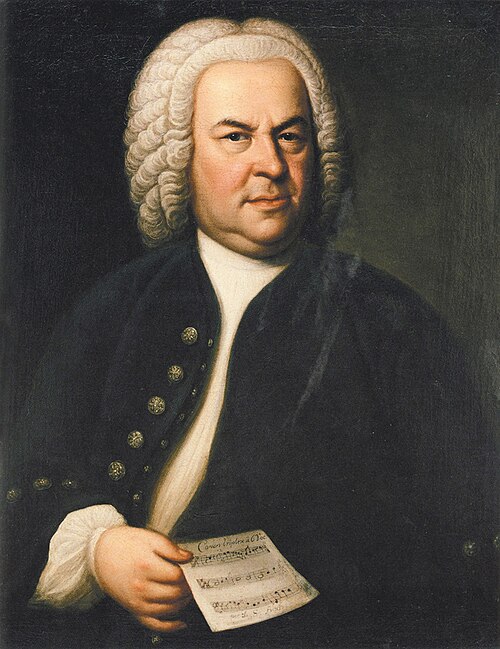
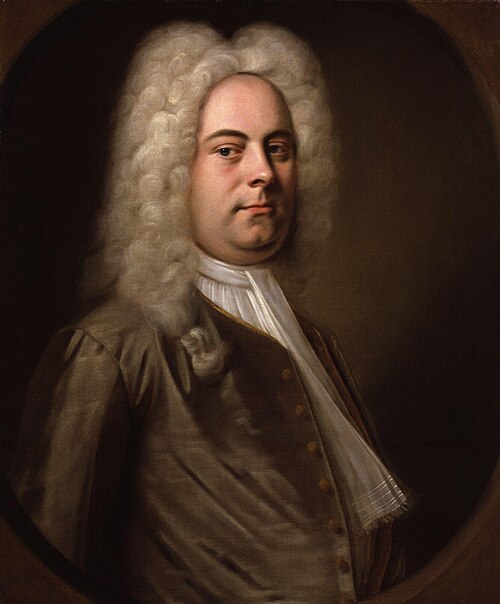
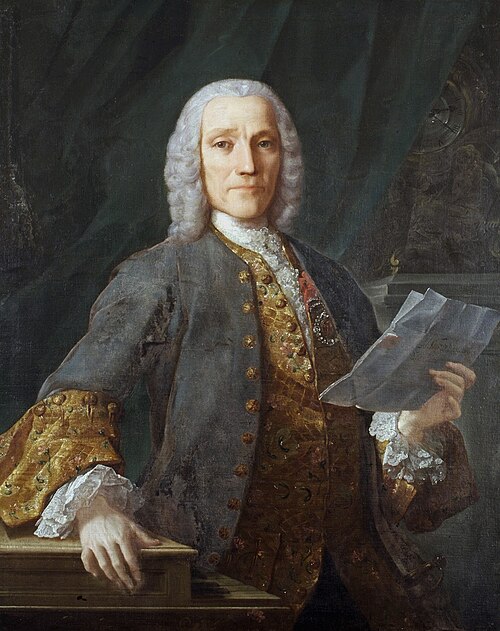
Continuous movement, ornamentation and expressive contrasts are familiar Baroque features. Opera, the concerto and instrumental genres developed in this period. Keyboard music served homes, courts and churches. Bach, Handel and Scarlatti were all born in 1685, yet created strikingly different musical worlds.
In an invention, a short motif can pass between voices, return at a different pitch and appear in a new setting. We recognise the gesture as it travels. Bach connected these works with learning independent voice-leading and a singing style of playing. The task reaches beyond finding the correct keys.
Open the First Invention and find the theme's entrance in each hand. Compare it with No. 13: the same principle of dialogue produces a different character. Begin with a few bars in each hand, then combine them while following which line carries the musical thought forward.
Meet the composers
Notice at the keyboard
Find the first two thematic entrances in Invention No. 1. Sing each hand's theme while keeping a steady pulse.
Think before revealing the answerWhen the theme moves to the left hand, does the right hand stop mattering?
No. The right hand continues its own line. Bring out the new entrance while keeping the other voice connected.
Sources and further reading (English)
Chapter 3 of 6 · Around 1750–1820
Classicism: clarity and drama
Haydn, Mozart and the emerging piano
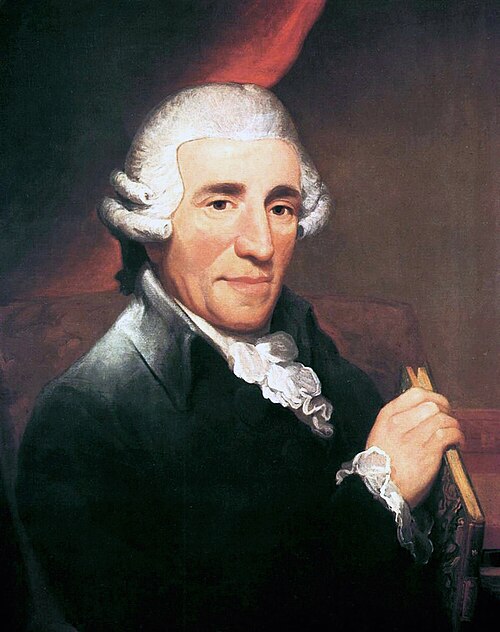
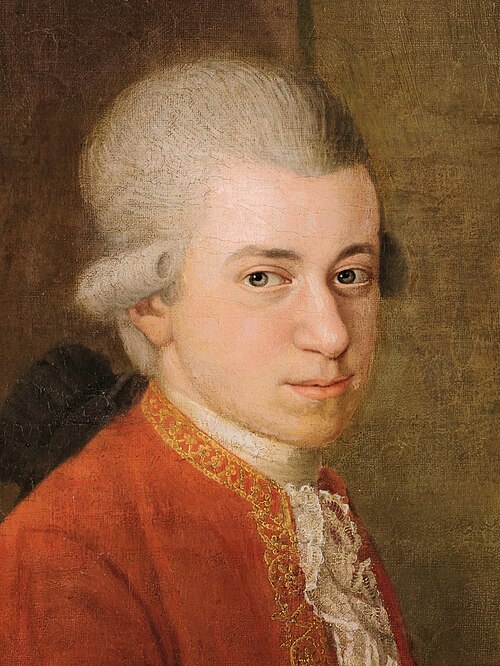
Classical music names both a broad tradition and a particular historical period. The latter usually refers to the later eighteenth and early nineteenth centuries. Haydn and Mozart offer clear phrases, contrasts and a strong sense of form. Clarity leaves room for surprises: a pause, a change of register or an unexpected harmony can redirect the conversation.
The piano, developed around 1700 by Bartolomeo Cristofori, gradually became central to musical life. Its hammer action allowed touch to shape loudness. Early instruments differed from today's grand, but this flexible control of a phrase became part of a changing keyboard language.
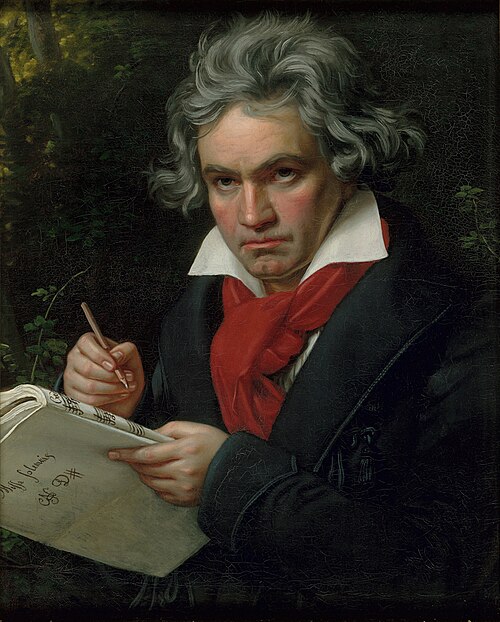
Mozart's K.545 opening makes melody and accompaniment easy to distinguish. Beethoven's Moonlight Sonata opens differently: a quiet, concentrated movement replaces the usual fast opening. Composers reshape the traditions they inherit. The nickname Moonlight came later and was not Beethoven's own programme for the work.
Meet the composers
Notice at the keyboard
Find the melody and repeating accompaniment in K.545. In Moonlight, follow the upper melodic line above the triplets.
Think before revealing the answerMust every movement of a sonata be in sonata form?
No. Several forms can coexist in one sonata. The genre does not prescribe an identical structure for every movement.
Sources and further reading (English)
Chapter 4 of 6 · The nineteenth century
Romanticism: a personal voice
From the intimate miniature to the public concert
In the nineteenth century the piano belonged both to the concert hall and the home. Instrument making, publishing and public concerts changed musicians' working lives. Romantic aesthetics drew on personal experience, literature, nature and national traditions. A short piece could become an independent statement, while virtuosity could become a public spectacle.
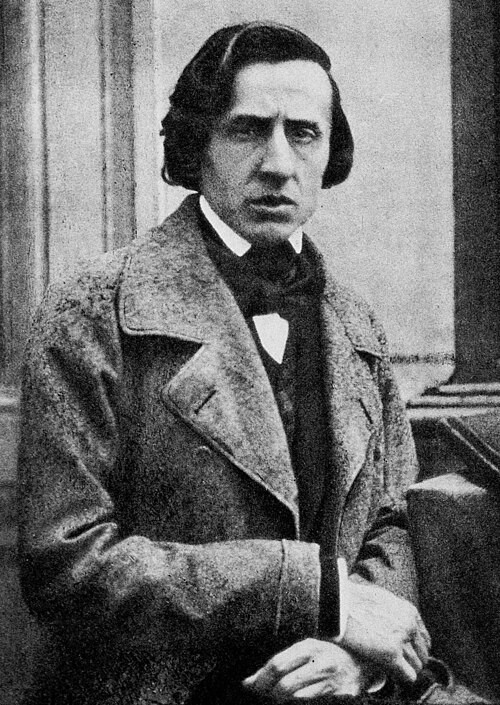
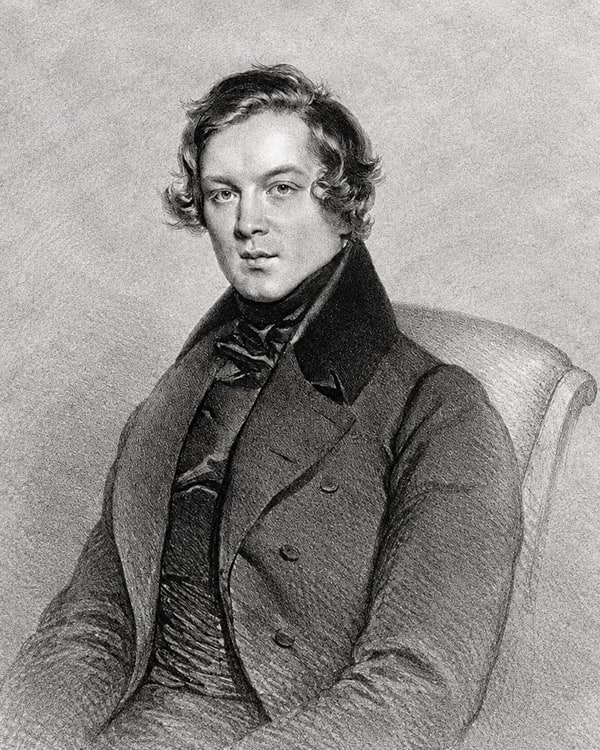
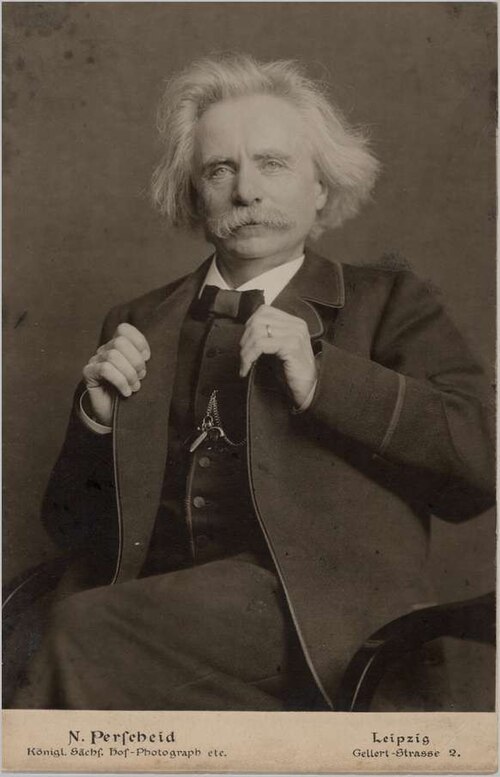
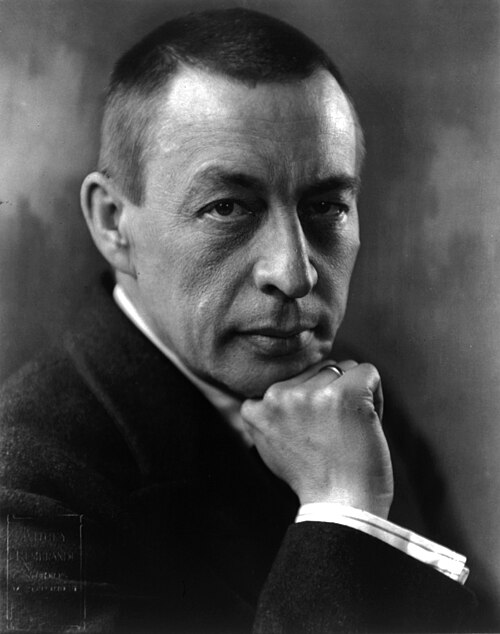
Romanticism is not a single mood. Chopin gives the piano a singing voice; Schumann creates characters and literary associations; Grieg draws on song and dance. Rachmaninoff continued Romantic traditions into the twentieth century. A new calendar century does not automatically replace an existing musical language.
In the Nocturne op. 9 No. 2, distinguish the long melody from its ornaments. Grieg's Arietta shows how few notes can form a complete phrase. Expression involves melodic direction, harmony, voice balance and phrasing, rather than simply slowing down. Choose a short passage and decide what you want to hear in it.
Meet the composers
Notice at the keyboard
Sing Arietta's melody without the instrument. Find it in the score and shape it above a quieter accompaniment.
Think before revealing the answerIs changing tempo often enough to make a performance Romantic?
No. Freedom in timing gains meaning through the phrase and harmony. First understand the pulse, melody and accompaniment.
Sources and further reading (English)
Chapter 5 of 6 · Late nineteenth and early twentieth centuries
Colour, silence and a different sense of time
Debussy, Satie and the search for new sounds
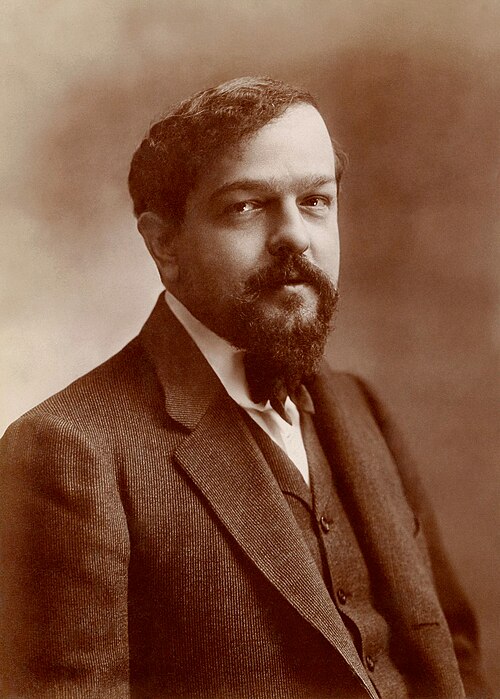
Around the turn of the century, some composers reconsidered familiar harmonic movement. A chord could matter for its colour as well as its destination. Resonance, register, silence and touch became especially noticeable. Impressionism is often associated with Debussy, although he rejected the label. It offers a useful signpost rather than a complete explanation.
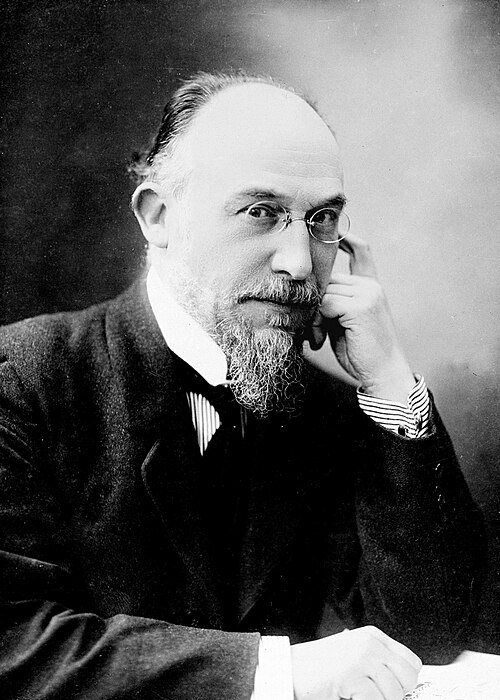
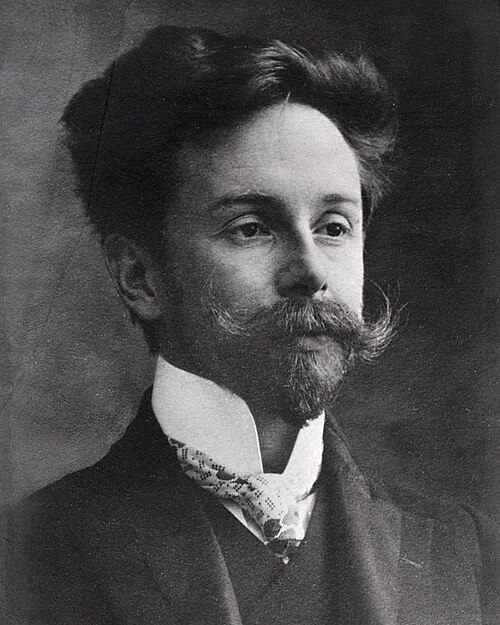
Satie takes another path through repetition, restraint and an unusual sense of time. Economy does not make his music automatically easy: slow movement exposes balance and sound quality. Scriabin followed his own course from Romantic beginnings towards a new harmonic language. These composers overlapped in time without forming a single school.
Compare Debussy's Clair de lune with Satie's First Gymnopédie. Before naming every harmony, notice changes of register, density and silence. Select a short passage to explore. The study display helps orientation; consult a complete score for decisions about pedalling and balance.
Meet the composers
Notice at the keyboard
Follow the bass, chord and melody in Gymnopédie as three layers. Notice how their balance changes the overall impression.
Think before revealing the answerDo composers who lived at the same time necessarily share one style?
No. A historical period includes different artistic positions. Satie, Debussy and Scriabin offer different answers about sound and form.
Sources and further reading (English)
Chapter 6 of 6 · The turn of the century and beyond
Many paths, not a single ladder
Ragtime, modernism and neighbouring traditions
Music history is not a competition in which a new style cancels its predecessor. Late Romanticism, experiments in harmony and many other approaches coexisted in the early twentieth century. Some composers retained familiar tonality; others reorganised pitch, rhythm and form. These choices cannot be ranked on a simple scale from old to correctly modern.
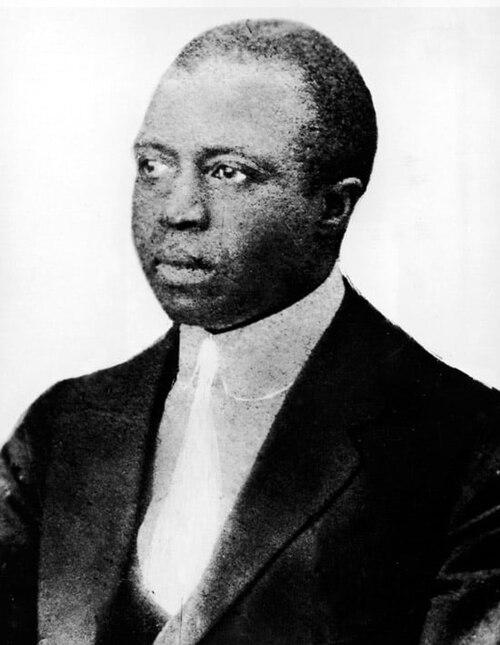
Alongside European art music, ragtime developed in African American communities in the United States. In Scott Joplin's music, a steady accompaniment interacts with a syncopated melody. This is a distinct historical strand with its own roots, connecting piano playing with dance, composed repertoire and public musical life.
Open The Entertainer and keep the pulse while noticing melodic accents that fall against it. Then return to a Bach invention or Moonlight. All require coordination and attention to layers, but rhythm and voice balance serve different purposes. History becomes useful when it gives you a specific musical question to explore.
Meet the composers
Notice at the keyboard
Clap a steady pulse, then speak the melody's rhythm over it. Begin slowly enough to hear the relationship.
Think before revealing the answerDoes a later composition date necessarily mean harder or better music?
No. Dates offer context, not a ranking of value or difficulty. Choose your next piece for its interest and a specific learning goal.
Sources and further reading (English)
Continue the story at your piano
Choose one musical idea: follow two voices, bring out a melody or keep a pulse. Open a suitable piece and begin with a short passage.
Explore the repertoire →